
Industrial Ergonomic Mats
Industrial matting for workplace floors includes heavy-duty anti-fatigue mats, rubber runners, drainage mats and modular tiles built to survive manufacturing and warehouse conditions. This page covers mats for people and workstation traffic. It does not cover access-road, crane, rig or heavy-equipment ground-protection mats.
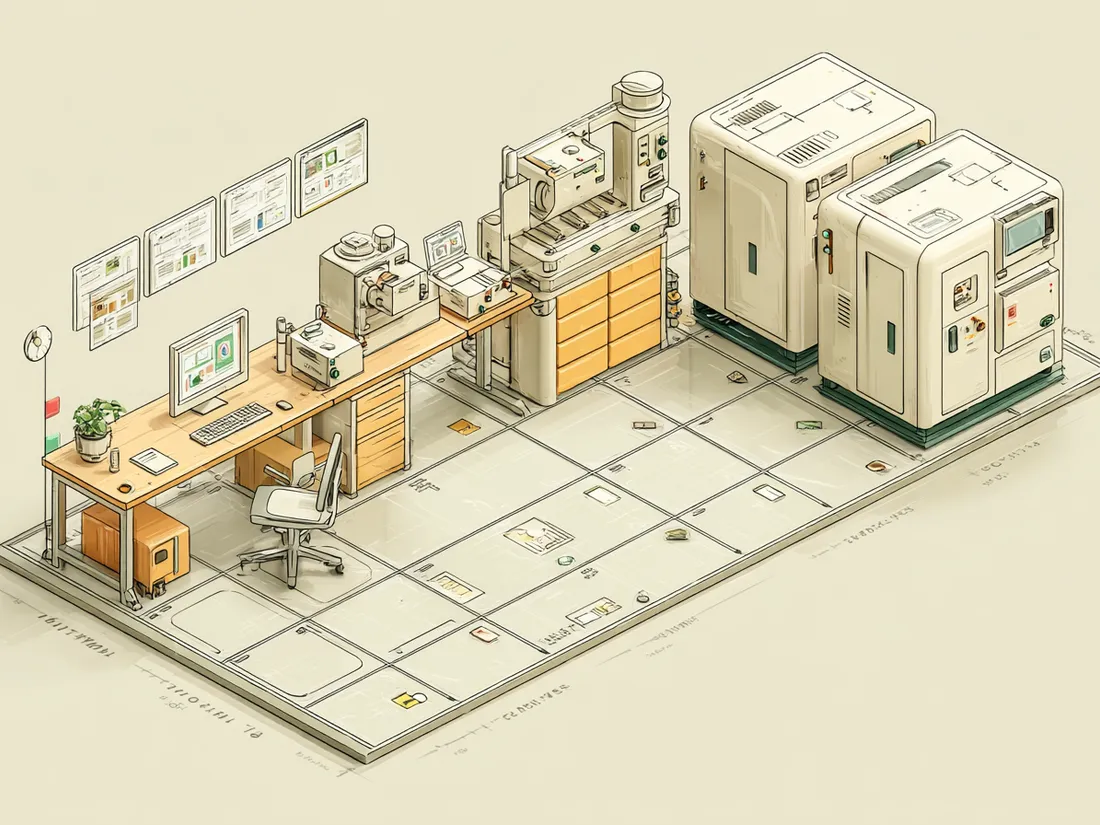
Industrial ergonomic mats are anti-fatigue mats built to survive the plant floor: forklift-adjacent traffic, oil and coolant, chemicals, and long production shifts. Where an office mat prioritizes comfort and looks, an industrial mat has to add durability, chemical resistance and often modularity, so a run of workstations can be covered and worn tiles replaced individually.
This page covers the material and format choices that matter on a shop floor, nitrile rubber, interlocking tiles, drainage and welding-safe grades, and the procurement details North American buyers ask for, from custom sizes in feet to freight and lead time.
In short
Industrial ergonomic mats are heavy-duty anti-fatigue mats for shop floors; choose nitrile rubber for oil resistance, modular tiles for replaceable coverage, and drainage grades for wet floors, then specify size, durometer, chemical compatibility and freight for the order.
Nitrile & oil resistance
Nitrile (NBR) rubber resists oil, coolant and grease where standard PVC breaks down.
Modular interlocking tiles
Cover long runs and replace worn or damaged sections individually.
Drainage & anti-slip
Flow-through profiles for wet or chip-covered floors, with non-slip surfaces.
Procurement-ready
Custom sizes in feet, bulk pricing, part numbers and LTL freight for large orders.
Choosing the material for a shop floor
The single biggest industrial decision is the compound. Nitrile rubber (NBR) resists oils, coolants and many chemicals that degrade standard PVC and vinyl foams, which makes it the default for machining, automotive and manufacturing cells. Solid or laminated rubber handles heavy standing and rolling loads; softer foams suit lighter, drier assembly work. To weigh the compounds side by side, see our mat materials hub.
For welding and grinding stations, standard foam is unsuitable, sparks and spatter scorch it. Those areas need a welding-safe grade; general anti-fatigue comfort and spark resistance are different requirements, so specify both if the station does both.
Formats: mats, rolls, tiles and platforms
Interlocking / modular tiles
Interlocking tiles connect to cover a long line and let you swap worn or oil-damaged sections without replacing the whole run, the most flexible format for assembly lines and multi-station cells.
Rolls and runners
Long runs and walkways suit rolls or runners, cut to length. Best where the standing zone is continuous rather than a set of discrete stations.
Drainage mats
Wet, oily or chip-covered floors need flow-through drainage matting so liquids and debris fall below the standing surface, the same principle as a kitchen drainage mat, built for industrial loads.
| Format | Best for | Watch-outs |
|---|---|---|
| Interlocking tiles | Long lines; replaceable sections | Keep joins tight and flat |
| Rolls / runners | Continuous walkways & standing zones | Secure or bevel exposed edges |
| Drainage mats | Wet, oily or chip-heavy floors | Clean underneath regularly |
| Solid workstation mats | Single heavy-duty stations | Size to the full standing area |
Durometer, thickness and durability
Industrial mats are often described by durometer (Shore A hardness) as well as thickness. A firmer mat supports heavy standing and takes rolling loads without bottoming out; a softer one is more forgiving for lighter, stationary work. As with any anti-fatigue mat, the softest option is not the most comfortable, aim for supportive give, not a sink.
Thicknesses commonly run from about 1/2" to 1" (about 13-25 mm) for industrial use. Confirm the mat’s chemical compatibility, load rating and edge design against your actual floor conditions rather than the headline comfort claim. Canadian buyers often see the same mats specified in millimeters, so match the imperial and metric figures when you compare quotes.
Procurement and specification
- Custom sizes cut to your workstation footprint, quoted in feet and inches.
- Bulk / volume pricing for multi-station and multi-site rollouts.
- Part numbers and material data sheets for your approval process.
- Freight / LTL planning for heavy roll and tile orders.
- Chemical, oil and load requirements confirmed before you commit.
Ask a supplier for
Whichever brand you shortlist, request this data before you commit, a good supplier answers all of it quickly:
- 1Chemical-compatibility data against your specific oils, coolants and cleaners, not just "oil resistant"
- 2Compression-deflection and durometer figures for your standing hours and rolling loads
- 3Edge/ramp system details for modular tiles, and the warranty position on edge curl
- 4Certificates at the product level: NFSI High-Traction (slip), ESD resistance ranges where relevant
- 5Cost per station per year: price + freight against realistic service life, with volume pricing
Comparing suppliers? See how to compare anti-fatigue mat suppliers or browse our fair brand comparisons.
Coverage calculator
Estimate your matting coverage
A quick planning estimate of how much matting you need from your own dimensions. It works out area only, no prices, no product claims. Confirm the final sizes, edges and fit with a supplier.
Planning estimate
— sq ft
Enter your stations or run length to see a planning estimate.
Spec paths to consider
Send coverage estimate for a quoteBuild a specification requestPlanning estimate only, confirm with a supplier.
What to confirm before ordering
- Exact standing footprint at each position
- Beveled or ramped edges on exposed sides
- Cart and pallet-jack crossings
- Wet, oil or ESD conditions that change the material
- Replacement sections if you choose modular tiles
- Cleaning access underneath the matting
FAQ
Industrial Ergonomic Mats: questions
Honest answers specific to this type of matting.
What makes a mat suitable for industrial use?
Durability and chemical resistance on top of comfort. Nitrile rubber resists oil and coolant where PVC foam degrades; solid rubber handles heavy standing and rolling loads; modular tiles let you replace worn sections. Match the compound, thickness and format to your floor’s actual conditions, oil, chemicals, load and wet vs dry.
Why choose nitrile rubber mats?
Nitrile (NBR) rubber resists oils, coolants and greases that break down standard PVC and vinyl foam mats, so it lasts far longer in machining, automotive and manufacturing areas. If your floor sees any oil or cutting fluid, nitrile is usually the right call.
Are interlocking anti-fatigue tiles better than rolls?
For lines of discrete workstations, yes, tiles let you cover a long run and replace individual worn or oil-damaged sections instead of the whole mat. Rolls and runners suit continuous walkways. The best format depends on whether your standing zones are discrete stations or one continuous path.
Can I get industrial mats in custom sizes?
Yes. Industrial matting is routinely cut to size in feet and inches and quoted with bulk pricing, part numbers and material data for approval. Send us the workstation dimensions, floor conditions and quantity and we’ll help spec it and arrange a supplier quote.
Related guides
Go deeper before you specify
How to Choose Ergonomic Matting: A Buyer's Checklist
A buyer's checklist for choosing ergonomic matting: environment, standing time, thickness, durometer, edges, material and procurement.
Read guideStanding Desk Mat vs Industrial Anti-Fatigue Mat
Standing desk mat vs industrial anti-fatigue mat: comfort and PVC-free options against nitrile durability and modular tiles, side by side.
Read guideRecycled Rubber vs PVC Mats: Which to Choose
Recycled rubber vs PVC mats: durability, odor and off-gassing, and how to verify recycled content and PVC-free base material.
Read guideDoes OSHA Require Anti-Fatigue Mats?
No — and no mat is 'OSHA-certified'. What the General Duty Clause actually implies, the evidence to document, and how CCOHS frames it in Canada.
Read guideNitrile vs PVC Anti-Fatigue Mats: Which Should You Specify?
Nitrile rubber vs PVC foam anti-fatigue mats on oil resistance, cell structure, durability and cost, so you can spec the right one by environment.
Read guideSingle Mat vs Interlocking Tiles: Which Anti-Fatigue Format Fits Your Floor?
Single anti-fatigue mats and runners vs interlocking tiles on layout, replacement, trip edges, cleaning and freight. Which format fits your floor.
Read guideRubber vs Foam Anti-Fatigue Mats: Durability, Comfort and Cost
Rubber vs foam anti-fatigue mats: durability and grip against lighter comfort, so you can pick the right one for industrial floors or offices.
Read guideRelated matting
Compare nearby options
Anti-Fatigue Mats
The hub for anti-fatigue matting, cushioned floor mats that reduce the fatigue of standing on hard surfaces, chosen by workplace, standing time and environment.
Explore matting
Assembly Line Anti-Fatigue Mats
Modular anti-fatigue matting for production and assembly lines, configured station by station, with ESD and trip-safe options for full-shift standing.
Explore matting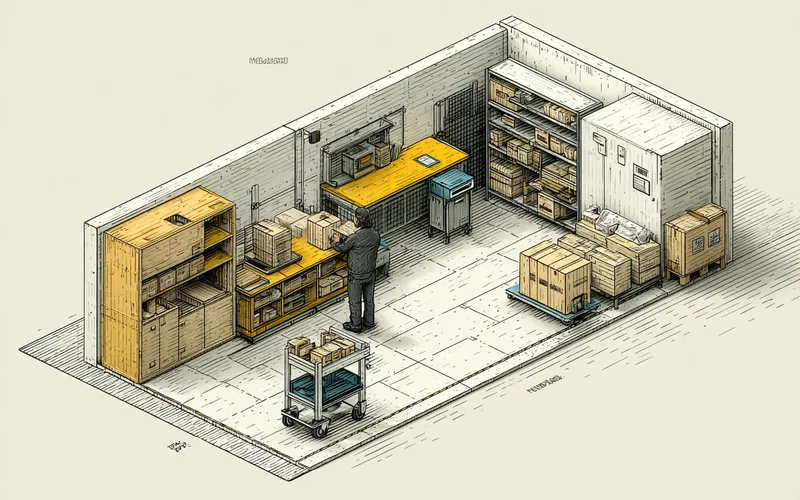
Warehouse Anti-Fatigue Mats
Anti-fatigue matting for fixed standing zones in a warehouse, pick and pack benches, inspection, labeling and shipping desks, matched to concrete floors and cart traffic.
Explore matting
Welding-Safe Mats
Anti-fatigue matting for welding and fabrication stations where sparks, hot spatter and grinding debris reach the floor, chosen for verified spark or heat resistance, not comfort alone.
Explore matting
Commercial Kitchen Anti-Fatigue Mats
Drainage anti-fatigue matting for commercial kitchens, grease-resistant, slip-safe and NSF-listed grades for wet food-service floors.
Explore mattingGet help choosing
Find the right mat for your standing zone
Tell us the environment, standing hours, floor type, any wet, oil, grease or ESD condition, the approximate size or number of stations, and any sustainability requirements. We’ll return a neutral mat specification you can use with any supplier.
- No obligation
- No paid rankings
- US & Canada