
Ergonomic Floor Mats
Ergonomic floor mats are anti-fatigue mats considered as part of the wider job of fitting the workstation to the worker. OSHA defines ergonomics simply as "fitting a job to a person", and a mat is one lever among several, alongside working height, reach, footwear, and how often someone gets to move.
This page looks at matting through the ergonomics lens: where a mat genuinely helps, where it does not, and what else has to be right for standing work to be comfortable and safe. It is the honest, standards-aware version of the "ergonomic matting" conversation.
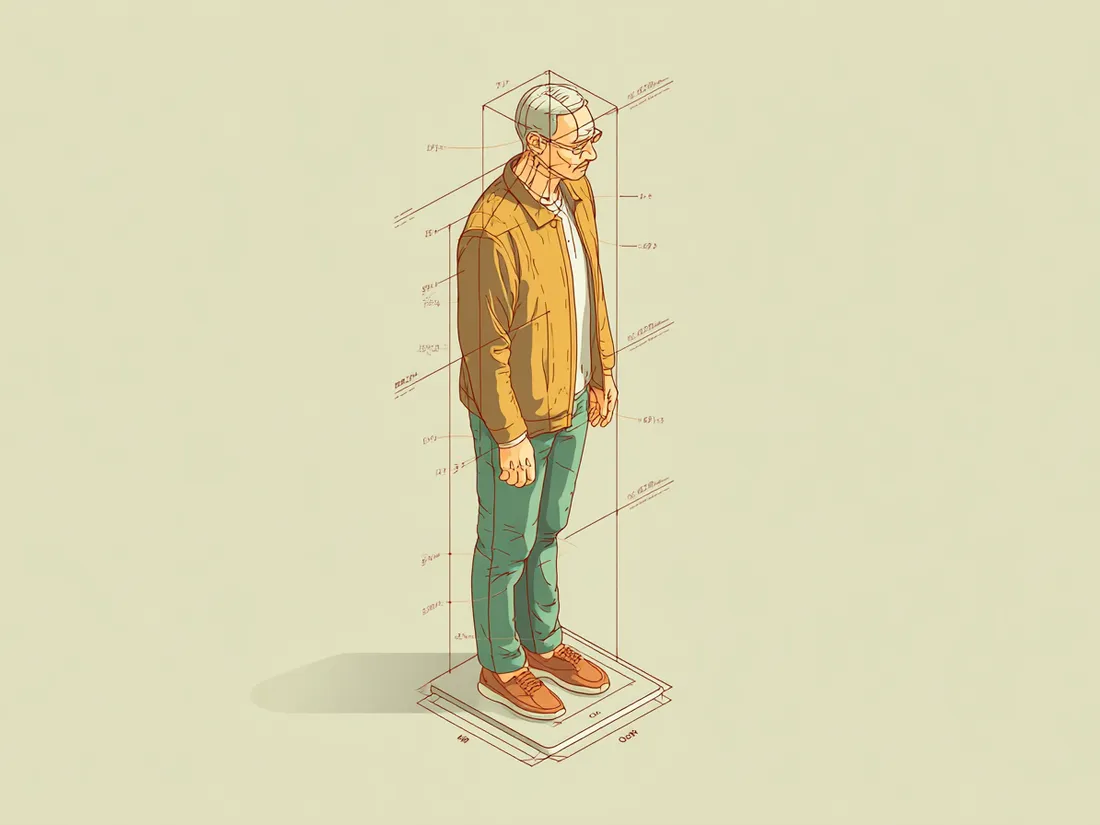
In short
Ergonomic floor mats are anti-fatigue mats used as one part of fitting a standing workstation to the worker; get height, movement and footwear right first, then add a suitable mat with beveled edges, the mat supports good ergonomics but never replaces them.
Part of a system
Matting works with posture, height, movement and footwear, not instead of them.
Neutral posture support
A stable resilient surface helps workers hold a comfortable, upright standing position.
Standing-time aware
We tie mat choice to how long people actually stand and whether they can sit or rotate.
Authority-grounded
Guidance built on OSHA, NIOSH and CCOHS language, not marketing claims.
What "ergonomic" really means for matting
A mat becomes "ergonomic" only in context. On its own it is a cushioned surface; within a workstation it can reduce the strain of prolonged standing by encouraging movement and supporting a stable, neutral posture. OSHA frames ergonomics as fitting the job to the person, and matting is one adjustment you can make to a standing job.
The distinction matters because "ergonomic" and "anti-fatigue" are often used interchangeably. We use ergonomic floor mats to mean matting chosen and placed as part of a deliberate ergonomics effort, with the mat, the task height, the footwear and the movement plan all considered together.
Where a mat helps, and where it doesn’t
- Helps: reducing discomfort during stationary standing on hard concrete.
- Helps: encouraging the subtle leg movement NIOSH links to lower standing fatigue.
- Helps: warming and softening cold, hard floors underfoot.
- Doesn’t fix: a workstation that’s the wrong height or forces awkward reach.
- Doesn’t fix: standing for hours with no chance to sit, walk or rotate.
- Doesn’t fix: unsupportive footwear or an underlying medical issue.
Building matting into an ergonomics program
CCOHS recommends treating prolonged standing as something to design out where possible, through sit-stand options, job rotation and rest breaks, with anti-fatigue matting and resilient flooring as supporting measures. In other words, the mat is the last layer, not the first.
A practical order: get the working height and reach right, give people a way to alternate sitting and standing, sort out footwear, then add a suitable anti-fatigue mat at each fixed standing position. For desks specifically, see standing desk mats.
Trip safety and placement
Matting introduces its own hazard if it is placed badly. CCOHS warns that "the use of matting requires caution because mats can lead to tripping and falling accidents when installed improperly," and recommends sloped (beveled) edges. Keep mats flat, butt or ramp joins between mats, replace any with curling corners, and make sure edges don’t sit where people pivot or wheel carts.
Ask a supplier for
Whichever brand you shortlist, request this data before you commit, a good supplier answers all of it quickly:
- 1A workstation-level recommendation, not just a mat SKU: standing time, task height, reach and footwear all matter
- 2Compression or firmness data, so the mat is supportive rather than overly soft
- 3Thickness and edge design, especially beveled edges where people step or carts pass
- 4Material and surface cleanability for the actual floor conditions
- 5How the supplier documents fit for an ergonomics or EHS file without claiming OSHA certification
Comparing suppliers? See how to compare anti-fatigue mat suppliers or browse our fair brand comparisons.
FAQ
Ergonomic Floor Mats: questions
Honest answers specific to this type of matting.
What’s the difference between ergonomic mats and anti-fatigue mats?
They overlap heavily, most "ergonomic floor mats" are anti-fatigue mats. We use "ergonomic" to stress that the mat is chosen and placed as part of fitting the workstation to the worker: the right height, movement and footwear matter as much as the mat itself. On its own, any mat is just a cushioned surface.
Will an ergonomic mat fix standing fatigue on its own?
No. A mat reduces the discomfort of standing on a hard floor, but it can’t fix a poorly set-up workstation or hours of standing with no movement. CCOHS and NIOSH both point to movement, sit-stand rotation and breaks as the primary measures, with matting as a supporting one.
How does OSHA define ergonomics?
OSHA describes ergonomics as "fitting a job to a person." There is no OSHA ergonomics standard for matting; instead, ergonomic and musculoskeletal hazards are addressed under the General Duty Clause. Anti-fatigue matting can support an employer’s efforts to reduce recognized standing-related hazards.
Where should ergonomic matting be placed?
At each fixed position where someone stands for long periods, with beveled edges and no curling corners. Keep mats flat and joins ramped so they don’t become trip hazards, and don’t place edges where people pivot or roll carts. Improper installation is the main safety risk with matting.
Related guides
Go deeper before you specify
Anti-Fatigue Mats in the Workplace
OSHA has no anti-fatigue mat standard. What OSHA, NIOSH and CCOHS actually say about prolonged standing, and how to specify mats that survive an audit.
Read guideHow to Choose Ergonomic Matting: A Buyer's Checklist
A buyer's checklist for choosing ergonomic matting: environment, standing time, thickness, durometer, edges, material and procurement.
Read guideThe Best Mats for Standing All Day at Work
How to pick the best mat for standing all day: standing-time guidance, thickness, edges, and the right mat by environment, with a quick comparison table.
Read guideDoes OSHA Require Anti-Fatigue Mats?
No — and no mat is 'OSHA-certified'. What the General Duty Clause actually implies, the evidence to document, and how CCOHS frames it in Canada.
Read guideDo Anti-Fatigue Mats Meet a Standard?
No standard certifies anti-fatigue performance. What OSHA, CCOHS, NFSI, NSF, ANSI/ESD and GREENGUARD actually cover, and how to verify a claim.
Read guideAnti-Fatigue Mats in Canada: CCOHS, CSA and What Differs from the US
No Canadian law requires anti-fatigue mats. What CCOHS actually recommends, what CSA Z1004 covers, and why "OSHA-compliant" means nothing in Canada.
Read guideRelated matting
Compare nearby options
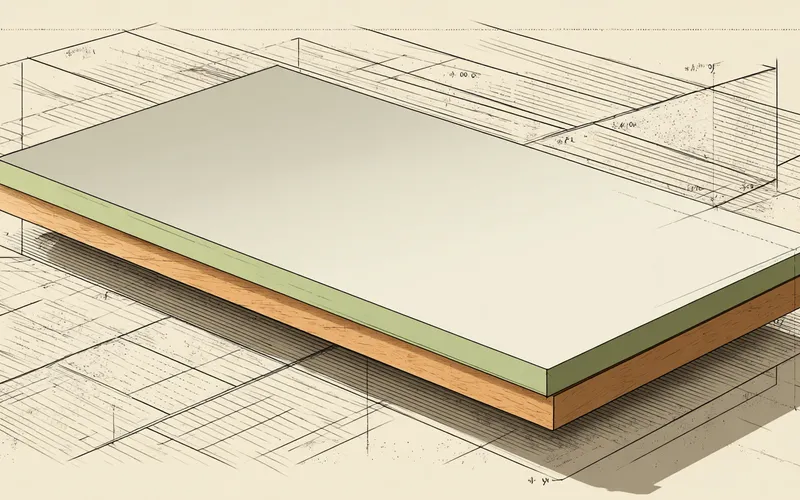
Anti-Fatigue Mats
The hub for anti-fatigue matting, cushioned floor mats that reduce the fatigue of standing on hard surfaces, chosen by workplace, standing time and environment.
Explore matting
Standing Desk Mats
Anti-fatigue mats made for sit-stand desks, how to choose between flat comfort mats and contoured "active" mats, and what to look for in office-grade materials.
Explore matting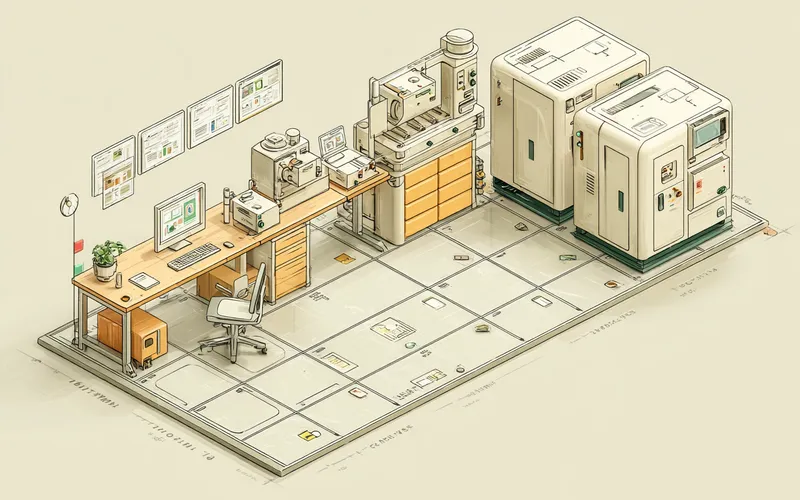
Industrial Ergonomic Mats
Heavy-duty anti-fatigue matting for warehouse, manufacturing and shop-floor workstations, built for durability, oil resistance and modular coverage.
Explore matting
Assembly Line Anti-Fatigue Mats
Modular anti-fatigue matting for production and assembly lines, configured station by station, with ESD and trip-safe options for full-shift standing.
Explore mattingGet help choosing
Find the right mat for your standing zone
Tell us the environment, standing hours, floor type, any wet, oil, grease or ESD condition, the approximate size or number of stations, and any sustainability requirements. We’ll return a neutral mat specification you can use with any supplier.
- No obligation
- No paid rankings
- US & Canada