
Assembly Line Anti-Fatigue Mats
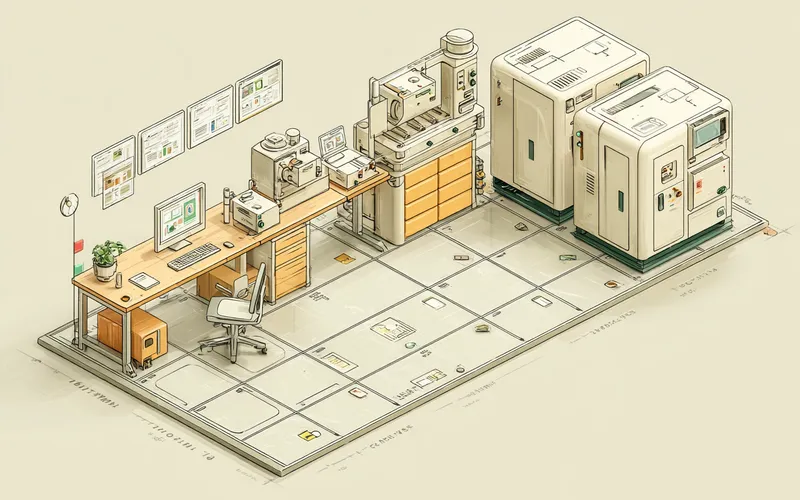
Assembly and production line workers often stand at a fixed station for an entire shift, repeating precise tasks. Anti-fatigue matting at each station reduces the discomfort of that prolonged standing, and modular formats let you cover a whole line and reconfigure it as the layout changes.
The priorities here are coverage, reconfigurability and safety underfoot, plus static control where electronics are involved. Below we cover modular tiles, ESD grades and the trip-safe detailing that keeps a busy line moving.

In short
Assembly line anti-fatigue mats are modular interlocking tiles configured station by station, with ramp edges, replaceable sections and ESD grades where electronics are involved; choose a firmer surface for precise work and nitrile where oil is present.
Modular coverage
Interlocking tiles cover long lines and adapt as stations move.
Replaceable sections
Swap a worn or damaged tile without pulling up the whole run.
ESD options
Static-dissipative grades for electronics and sensitive assembly.
Trip-safe by design
Beveled ramp edges and tight joins keep carts rolling and feet safe.
Why modular tiles suit a line
A production line is a series of standing positions that can change with the product. Interlocking anti-fatigue tiles let you build matting to the exact length of the line, add corner and ramp pieces, and swap individual tiles as they wear, far more practical than a single fixed mat. When a station moves, the matting moves with it.
Specify ramp/border edges on every exposed side so carts, pallet jacks and feet cross the mat safely. CCOHS stresses that improperly installed matting is itself a trip hazard, so tight joins and sloped edges are not optional on a busy line.
ESD and static control on the line
Where the line handles electronics or static-sensitive components, standard anti-fatigue mats are not enough, you need static-dissipative (ESD) matting that is grounded, typically referencing ANSI/ESD S20.20. These mats give the anti-fatigue benefit while providing a controlled path to ground. See laboratory anti-fatigue mats for how ESD grades are specified and grounded.
Comfort without compromising precision
Assembly work is often precise, so the mat should support a stable stance rather than a soft sink. A firmer anti-fatigue surface keeps footing steady for fine motor tasks while still relieving the hard floor. For heavy-duty lines with oil or solvents, choose a nitrile grade as covered under industrial ergonomic mats.
Ask a supplier for
Whichever brand you shortlist, request this data before you commit, a good supplier answers all of it quickly:
- 1A layout plan showing each standing station, line length and where ramps or edge pieces are needed
- 2Whether tiles are replaceable individually, and how replacement sections are ordered
- 3ESD/static-control data for electronics lines, including grounding requirements if relevant
- 4Material compatibility with oils, coolants, chips or dry assembly conditions
- 5Trip-control details for joins, beveled borders and cart crossings
Comparing suppliers? See how to compare anti-fatigue mat suppliers or browse our fair brand comparisons.
Coverage calculator
Estimate your matting coverage
A quick planning estimate of how much matting you need from your own dimensions. It works out area only, no prices, no product claims. Confirm the final sizes, edges and fit with a supplier.
Planning estimate
— sq ft
Enter your stations or run length to see a planning estimate.
Spec paths to consider
Send coverage estimate for a quoteBuild a specification requestPlanning estimate only, confirm with a supplier.
What to confirm before ordering
- Exact standing footprint at each position
- Beveled or ramped edges on exposed sides
- Cart and pallet-jack crossings
- Wet, oil or ESD conditions that change the material
- Replacement sections if you choose modular tiles
- Cleaning access underneath the matting
FAQ
Assembly Line Anti-Fatigue Mats: questions
Honest answers specific to this type of matting.
What matting is best for an assembly line?
Modular interlocking anti-fatigue tiles, so you can cover the full line, add ramp edges and replace worn sections individually. Choose a firmer surface for precise work, a nitrile grade where there’s oil or solvent, and a static-dissipative (ESD) grade for electronics. Beveled edges and tight joins are essential on a busy line.
Do I need ESD mats on my line?
Only if you handle static-sensitive electronics or components. In that case standard anti-fatigue mats aren’t sufficient, you need grounded static-dissipative matting, usually specified against ANSI/ESD S20.20, which controls static while still relieving standing fatigue.
How do modular anti-fatigue tiles handle layout changes?
Because tiles interlock and use add-on ramp and corner pieces, you can rebuild the matting when a station moves and reuse most of the tiles. That flexibility is the main reason lines choose modular systems over single fixed mats.
Are softer mats better for line workers?
No, precise assembly work needs a stable stance, so a firmer anti-fatigue surface is usually better than a very soft one. Too much cushioning makes fine tasks harder and, per CCOHS, can increase fatigue and trip risk.
Related guides
Go deeper before you specify
How to Choose Ergonomic Matting: A Buyer's Checklist
A buyer's checklist for choosing ergonomic matting: environment, standing time, thickness, durometer, edges, material and procurement.
Read guideAnti-Fatigue Mats in the Workplace
OSHA has no anti-fatigue mat standard. What OSHA, NIOSH and CCOHS actually say about prolonged standing, and how to specify mats that survive an audit.
Read guideSingle Mat vs Interlocking Tiles: Which Anti-Fatigue Format Fits Your Floor?
Single anti-fatigue mats and runners vs interlocking tiles on layout, replacement, trip edges, cleaning and freight. Which format fits your floor.
Read guideRelated matting
Compare nearby options
Industrial Ergonomic Mats
Heavy-duty anti-fatigue matting for warehouse, manufacturing and shop-floor workstations, built for durability, oil resistance and modular coverage.
Explore matting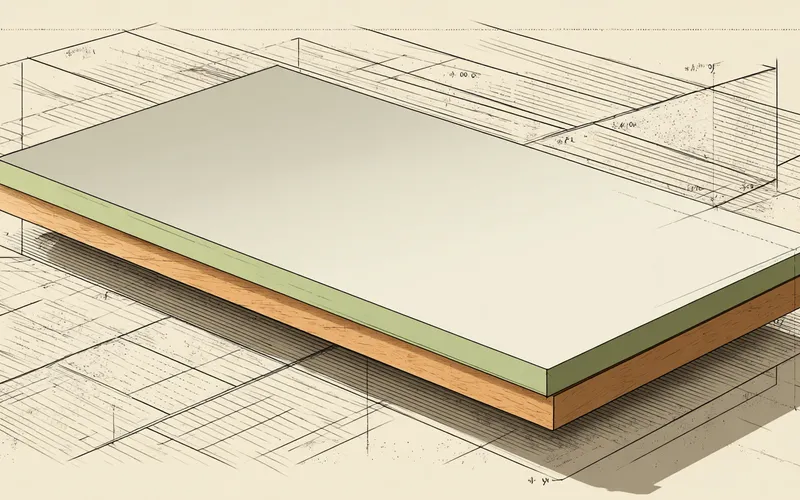
Anti-Fatigue Mats
The hub for anti-fatigue matting, cushioned floor mats that reduce the fatigue of standing on hard surfaces, chosen by workplace, standing time and environment.
Explore matting
Laboratory Anti-Fatigue Mats
Anti-fatigue matting for laboratory and electronics benches, static-dissipative (ESD), chemical-resistant and cleanroom-compatible grades.
Explore matting
Ergonomic Floor Mats
Ergonomic floor matting framed the right way, as one part of a workstation ergonomics program, not a standalone fix for standing fatigue.
Explore mattingGet help choosing
Find the right mat for your standing zone
Tell us the environment, standing hours, floor type, any wet, oil, grease or ESD condition, the approximate size or number of stations, and any sustainability requirements. We’ll return a neutral mat specification you can use with any supplier.
- No obligation
- No paid rankings
- US & Canada